Winning Through Practical Poker Intelligence
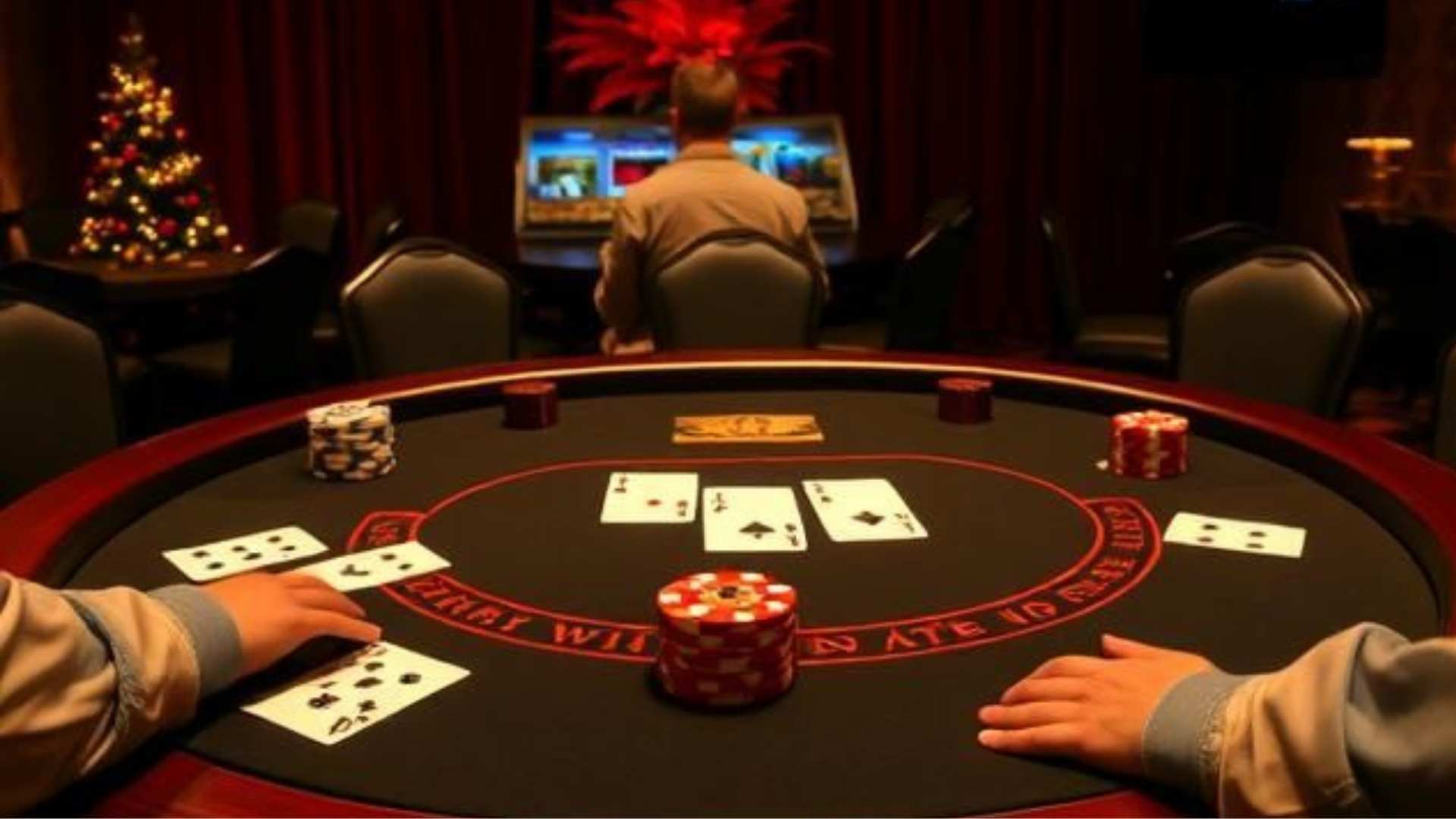
Achieving long-term success at the card table involves much more than simply memorizing basic rules and probability charts. True competitive excellence stems from developing a deep analytical mindset that can adapt to changing situations in real time. By focusing on practical intelligence and emotional control, players can consistently outsmart their rivals and maximize their winnings.
The Core Elements of Poker Intelligence
Practical intelligence at the table requires a sophisticated blend of observation and analytical calculation. Players must learn to assess the behavioral patterns of their opponents while simultaneously managing their own physical tells. Recognizing subtle shifts in betting structures helps you identify potential vulnerabilities in another player's strategy.
Furthermore, maintaining constant awareness of table dynamics ensures that your decisions remain rooted in logic rather than emotion. Top-tier strategists prioritize sustainable long-term results over short-term outcomes, recognizing that variance is an inherent part of the game. Developing this foundational skill set allows individuals to navigate complex tournament structures with confidence.
Analyzing Opponent Betting Behaviors
Observing how your rivals manipulate their chip stacks provides critical data that can be used to alter your approach. You can explore modern gaming platforms by utilizing a secure M88 link to study various strategic environments and improve your tactical execution. Noticing subtle delays before a major call often signals uncertainty or hidden strength that you can exploit.
Tight competitors generally default to predictable patterns, making them excellent targets for well-timed defensive maneuvers. Conversely, highly aggressive players require a more calculated response that minimizes high-risk theatrical plays entirely. Tailoring your approach to individual player profiles guarantees a much higher success rate across multiple sessions.
Managing Risk and Maintaining Discipline
Every strategic action carries an inherent level of financial risk that must be carefully measured against potential rewards. Making reckless bets without a clear understanding of pot distributions frequently leads to a rapid depletion of your bankroll. Intelligent competitors always ensure that the total value of the pot justifies the tactical danger involved.
Taming your own ego represents a critical pillar when facing experienced opponents who know how to exploit emotional reactions. Choosing to fold a strong starting hand when new information indicates you are beaten is a hallmark of professional discipline. Balancing these defensive methods separates top analytical thinkers from typical casual players.
Continuous Improvement and Strategy Adjustment
The journey to mastering complex table games requires an open mind and a commitment to perpetual self-assessment. Reviewing your past performances helps you identify ongoing strategic flaws that need immediate correction. Elite competitors regularly experiment with fresh concepts to maintain an unpredictable style of play.
Cultivating acute situational awareness eventually transforms these advanced principles into automatic, second-nature habits. Dedicated practice combined with objective data analysis creates a solid framework for enduring competitive success. Staying focused on the process rather than immediate results ensures steady development over time.