Exploring Different Types Of Poker Software Functionality
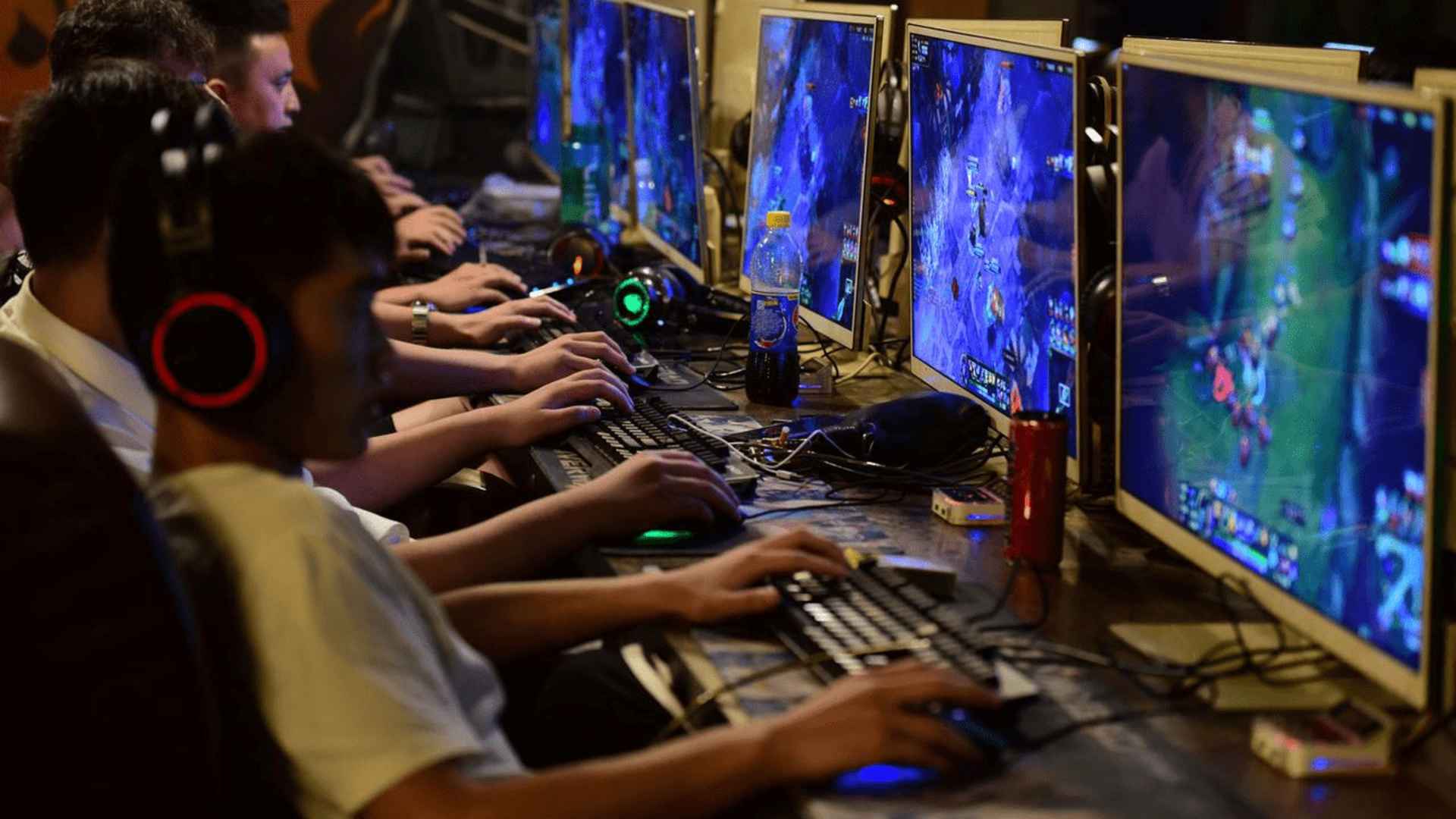
The digital transformation of card games has led to a highly specialized ecosystem of applications designed to enhance how players interact with the virtual felt. Understanding the diverse capabilities of modern poker programs allows enthusiasts to optimize their setups based on specific operational goals. By breaking down these systems into distinct functional categories, users can make more informed choices that align with their personal strategic routines.
Analytical Databases and Real Time Tracking Engines
Analytical tracking databases serve as a primary foundational tool for serious players who want to systematically eliminate tactical errors from their sessions. These programs operate in the background, capturing raw hand histories from active tables and converting them into actionable metrics. Users can instantly review positional trends, win rates, and opponent behavioral patterns over thousands of recorded hands.
Furthermore, many tracking suites include interactive display overlays that superimpose key performance indicators directly onto live game windows. These automated calculations help competitors assess complex pot odds and adjust their ranges dynamically as action folds around the table. Maintaining a data-driven routine with these tools significantly reduces subjective guesswork during high-stakes decision moments.
Multi Table Coordination and Layout Optimization
Managing several active tournament or ring game tables simultaneously demands a high level of concentration and computational processing power. Dedicated table management software provides automated partition solutions that organize window space across various monitor configurations cleanly. These layout functions prevent overlapping borders, ensuring that critical stack sizes and bet sliders remain entirely visible.
Many advanced platforms offer single-click commands to instantly tile windows into symmetrical grids or cascade them diagonally across the display screen. Incorporating customizable keyboard hotkeys further accelerates gameplay transitions, allowing users to execute precise actions without relying on manual mouse movements. This structural efficiency alleviates cognitive fatigue, keeping focus sharp over extended competitive sessions.
Simulated Training Environments and Game Theory Solvers
Beyond live gameplay assistance, modern development teams focus heavily on creating comprehensive offline simulation programs for regular skill refinement. These training packages allow players to recreate specific board states and test their tactical choices against complex artificial intelligence profiles. Reviewing these simulated outcomes helps separate emotional assumptions from mathematically correct playstyles globally.
When assessing new platforms, checking for integrated promotional systems like 奖金 m88 can offer additional value for exploring various software configurations safely. Leveraging verified solvers to analyze historical decision trees ensures that individual adjustments remain grounded in objective game theory principles. Utilizing these isolated training environments helps build long-term confidence before committing substantial capital to live rooms.
System Compatibility and Cross Platform Performance
The modern digital landscape requires gaming clients to operate seamlessly across a wide variety of hardware setups and operating environments. Software engineers must optimize underlying system resource distribution to prevent sudden network latency or frame drops during peak traffic hours. A well-built architecture ensures that data streaming pathways maintain low touch latency regardless of device limitations.
While traditional desktop software provides maximum processing stability for extensive grinds, mobile counterparts are engineered with battery-conscious frameworks for portable accessibility. Ensuring your chosen client updates regularly with vital stability patches protects personal data and maintains unbiased random number generation parameters. Balanced optimization across all functional areas creates a reliable environment built for future strategic growth.